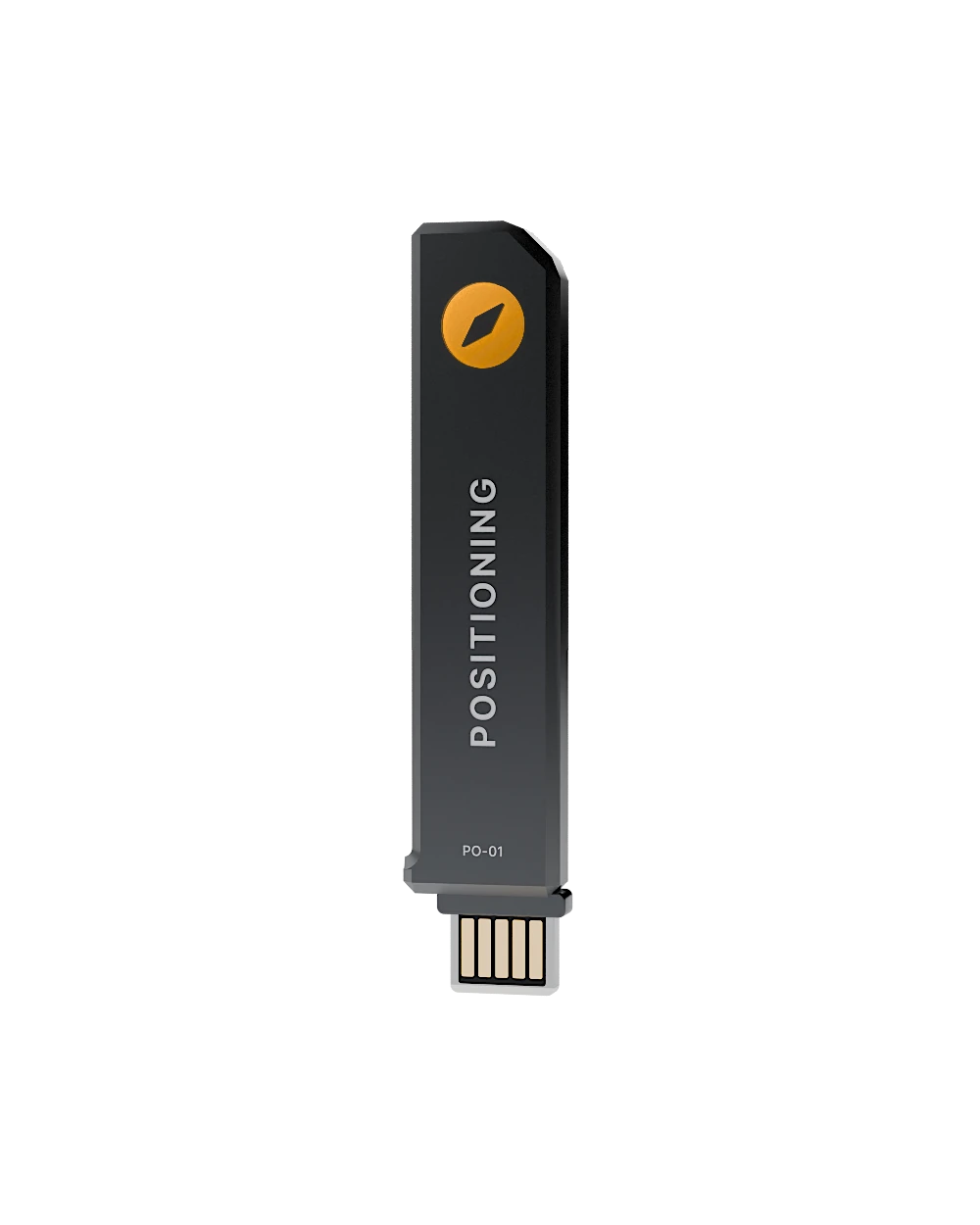
Say how you stand out in one sentence, tested against your real alternatives.
Defines how a business stands out, starting from what the customer would do if it did not exist. You get a positioning statement labelled a hypothesis, a map of the real alternatives and strengths with proof.
About 120 credits a run · Works in ChatGPT, Claude and the AI you already use


How to ask for it
Ask your AI in your own words.
Once Loadout is connected, your AI picks this power when you ask for the job. This request runs it, with the underlined parts swapped for yours.
Use Loadout to work out how my Portland bakery stands out from the competitors around it
It also runs when you say things like
- how do I stand out
- what makes us different
- position my business
- who are my competitors
- why would anyone pick me
- we sound like everyone else
What you get
Six pieces of finished work.
A positioning statement and a competitor map built from real data.
- 01A positioning statement, labelled a hypothesis
- 02The one test you can run on it this week
- 03A map of the alternatives, including doing nothing
- 04Strengths with proof, in the customer's own words
- 05Best-fit customers, and who says no
- 06Contradictions against your own live site, named
Your route
Five ways to run it.
Your AI asks where you're starting from and picks the route that fits. You can always choose another.
Short read
For when the user asks for a quick pass, or needs the statement in the next hour.
Full depth, local or serviceMost people start here
For a local business whose rivals are the shops down the road.
Full depth, software or online
For when a product with no local market.
Re-positioning
When a statement exists and a new rival or a new category wording changed things.
Client positioning
When the work is on a client's business.
What it asks you
- What your best customer would do next month if you shut down tomorrow
- What they do that rivals can't or won't
- The named rivals they already know, from the Brief, a teardown or the client file
- Depth
The live data it reads
Check AI visibility
Shows which businesses ChatGPT, Perplexity, Gemini and Google AI recommend, and how often they recommend yours.
Find businesses
Finds local businesses on Google Maps by niche and place, with ratings, reviews, websites and listing gaps.
Check competitor SEO
Shows a competitor's search traffic, best keywords and backlinks, and the keywords you are missing.
Get competitor ads
Shows the ads competitors run on Meta, Google, TikTok and LinkedIn, how long they have run them, and which ones look like winners.
Check social presence
Audits a business's Instagram, Facebook, TikTok and YouTube, covering followers, posting pace and engagement.
Scan website
Audits a website, covering technology, speed, AI crawler access, structured data, contact details, page weight and the layout at each screen width, with the top fixes.
Check reviews
Reads a business's Google, Yelp, Trustpilot and Tripadvisor reviews: rating, review pace, reply rate, the owner's replies and what customers complain about.
Find recommendation requests
People in local community groups and on Reddit asking for a recommendation for your service.
Research customer voice
What buyers say in their own words across Reddit, YouTube and review sites: pains, wishes, switching and price talk, with the phrases they repeat.
Research keywords
Finds what people search for around a topic, with monthly searches, cost per click, difficulty and the current top results.
What it costs
About 120 credits a run.
For full depth, which is the default: about 115 to 130 on a local business and about 100 to 115 for a software or online product. The assistant read is 2 credits per engine answer and answers are questions times engines times readings, so two questions on all six engines at three readings is 72 of it; the rival reads, the reviews and the customer voice make up the rest, and the site reads are free. A short read, when the user asks for one, is about 25 to 30. Your AI shows the cost before it starts, and nothing is spent without your yes.
Not made for
It does not write the ad or page copy, and it does not design a logo.
Opening 12 November
Join the waitlist.
Loadout opens to everyone on 12 November. Leave your email and we'll tell you the moment it does.
Goes well with
In seven playbooks.
A playbook runs its powers in order, from finding the client to the monthly report. Every power and playbook is in the one plan.
Questions
Before you run it.
How much does Positioning cost?+
About 120 credits a run, for full depth, which is the default: about 115 to 130 on a local business and about 100 to 115 for a software or online product. The assistant read is 2 credits per engine answer and answers are questions times engines times readings, so two questions on all six engines at three readings is 72 of it; the rival reads, the reviews and the customer voice make up the rest, and the site reads are free. A short read, when the user asks for one, is about 25 to 30. Your AI shows the cost before it starts.
What does Positioning hand over?+
A positioning statement and a competitor map built from real data. A positioning statement, labelled a hypothesis. The one test you can run on it this week. A map of the alternatives, including doing nothing. Strengths with proof, in the customer's own words.
What do I need to give it?+
What your best customer would do next month if you shut down tomorrow, What they do that rivals can't or won't, The named rivals they already know, from the Brief, a teardown or the client file, Depth. Your AI asks for anything missing.
Which AI apps does it work in?+
ChatGPT, Claude, Claude Code, Codex, Grok and Muse. You connect Loadout once and the same account works in all of them.